How Fotona Laser Treatments in Encino, CA Complement Aesthetic Treatments
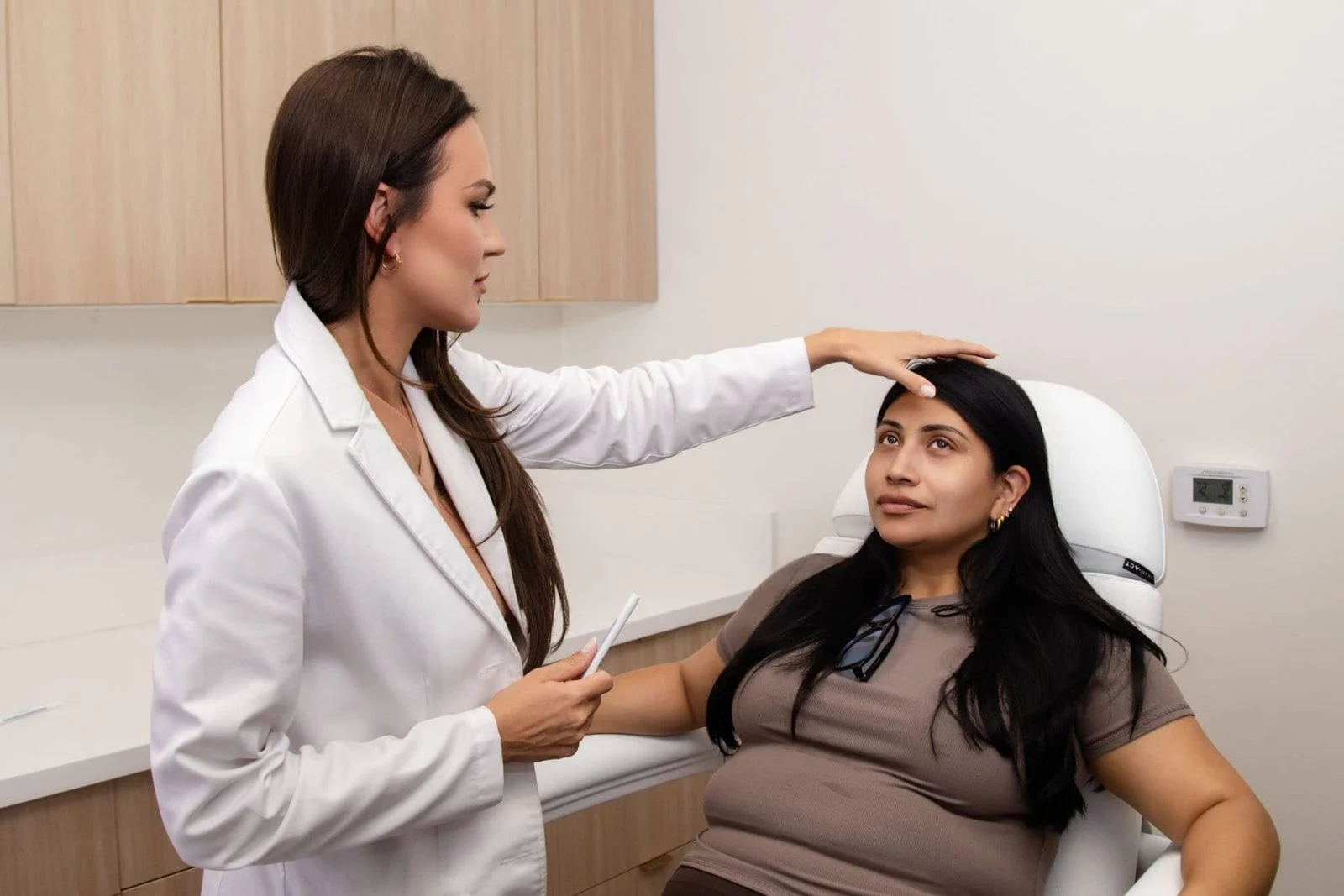
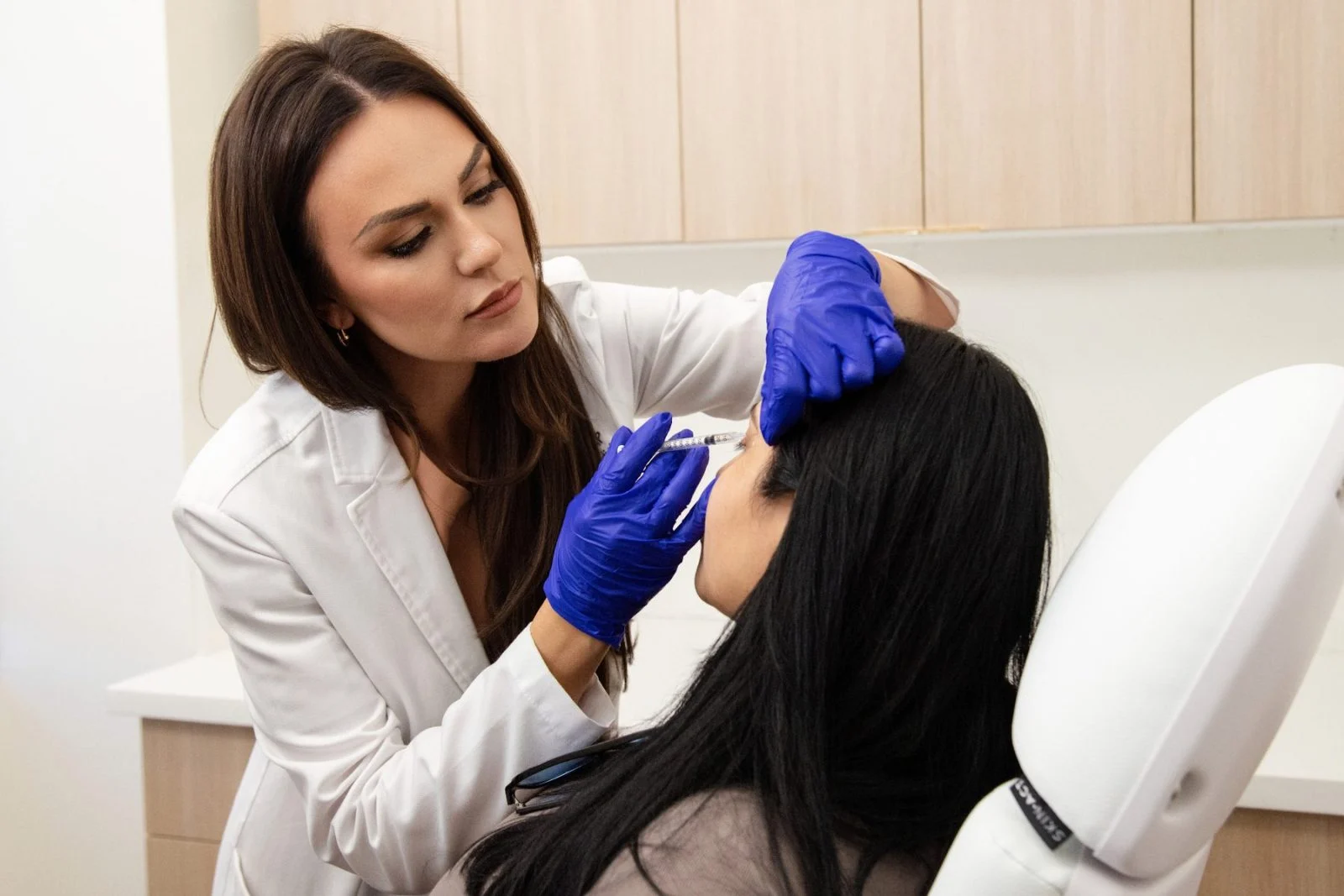
Patients rarely come in asking for just one thing anymore. They may say they want smoother skin, but what they usually mean is a mix of concerns: fine lines around the eyes, redness across the cheeks, uneven texture from old breakouts, a little laxity along the jawline, and maybe lips or cheeks that no longer hold volume the way they once did. Real faces age in layers. Sun exposure, collagen loss, pigment, movement, and bone and fat changes all show up at the same time.
That is exactly why Fotona laser treatments have become so useful in a modern aesthetic plan. Used thoughtfully, they do not replace every other treatment. They enhance them. In a practice setting, the best outcomes often come from pairing energy-based treatments with injectables, facials, skincare, or occasional surgical work, rather than expecting one procedure to carry the entire result.
For patients considering Fotona Laser Treatments Encino, CA providers often frame the conversation around synergy. The laser may improve the canvas, while another treatment restores structure or refines expression. That combination tends to look more natural than chasing every issue with filler alone or relying on a single resurfacing session to fix concerns that are deeper than skin.
Why combination treatment plans work better than single-solution thinking
Aesthetic medicine works best when the treatment matches the level of the problem. Texture, pigment, and surface quality live in the skin. Volume loss lives deeper. Muscle movement creates dynamic lines. Mild sagging may reflect a drop in collagen and elastic support. If the concern is broad, the treatment plan has to be broad enough to address each layer without overcorrecting any one of them.
This is where Fotona stands out. Fotona systems are known for versatility, particularly because different handpieces and modes can be used for resurfacing, tightening, collagen stimulation, and treatments that reach both superficial and deeper tissue planes. In practice, that flexibility gives clinicians more room to personalize care. One patient may need a lighter approach with little downtime because she has events and school pickups all week. Another may be willing to accept several days Fotona Laser Treatments Encino, CA of redness for more dramatic textural change. The technology supports both ends of that spectrum when used by an experienced provider.
In Encino, that matters. Patients often want visible improvement that still fits real life. They are balancing work, social commitments, exercise, family schedules, and strong year-round sun. They want progress, but they also want treatment plans that are sensible and sustainable. A laser that can be layered into an existing regimen, rather than forcing an all-or-nothing reset, fits that preference well.
What Fotona adds to the treatment mix
The simplest way to think about Fotona is that it helps improve skin behavior. It can encourage remodeling, refine texture, soften certain lines, and support firmness, depending on the protocol used. If injectables shape and support, Fotona often improves the tissue that sits on top of that structure.
That distinction sounds subtle, but it changes outcomes. A patient can have well-placed filler and still feel her skin looks tired because the surface is dull, crepey, or rough. Another can have smooth skin texture but still look drawn because volume loss under the eyes or in the midface has not been addressed. When both layers are treated appropriately, the result reads as fresher, not obviously “done.”
In experienced hands, Fotona can complement aesthetic care in several common scenarios. A patient with early perioral lines may not be a candidate for more filler around the mouth if the issue is largely etched skin and collagen decline. A patient with under-eye concerns may benefit from cautious restoration and skin tightening, rather than adding volume alone. Someone dealing with post-acne texture can improve the skin itself, which then changes how makeup sits and how light reflects off the face. These details may sound small, but they are often what make a result look polished.
Pairing Fotona with injectables
The relationship between lasers and injectables is one of the most useful combinations in aesthetics. The key is understanding that they do different jobs.
Neuromodulators such as Botox or similar products relax muscle movement that causes dynamic lines. Filler restores or enhances volume. Fotona addresses skin quality, and in some cases tissue tightening. When all three are used selectively, the face can improve in a way that remains balanced.
Take the forehead and eye area. A neuromodulator may soften frown lines and crow’s feet very effectively, but if the lower eyelid skin is thin and crepey, movement reduction alone will not address that texture. A laser-based tightening or resurfacing plan may help refine the skin so the upper face looks more coherent overall. The same idea applies around the mouth. A patient may have excellent lip shape after filler, yet still dislike lipstick bleed because the surrounding skin has lost elasticity and developed fine vertical lines. Laser treatment can support that area in a way syringe product cannot.
Timing matters here. In many offices, clinicians stage these treatments rather than stacking everything on the same day without a reason. Sometimes the injectable goes first, especially if muscle movement is contributing to wrinkling that will affect the skin response over time. In other Fotona Laser Treatments Encino, CA cases, the laser session is planned first so the skin can heal and settle before filler placement. There is no universal sequence that fits every patient, and that is usually a sign of good medicine rather than indecision. The order should depend on anatomy, goals, skin sensitivity, event timelines, and downtime tolerance.
One practical point patients often appreciate: combination care can reduce the temptation to overfill. When skin quality is neglected, people may chase smoothness with volume. That is how faces can start to look puffy yet still not truly refreshed. Improving texture and elasticity with a device like Fotona can create a cleaner result with less product.
Supporting collagen without making the face look overtreated
There is a reason collagen stimulation remains such a central concept in non-surgical aesthetics. It tends to age well. Immediate volume has its place, and many patients love the quick lift it provides, but collagen remodeling often gives the subtle quality people notice months later when they say, “Your skin looks better.”
Fotona is frequently chosen because it can support that gradual improvement. Results are not always instant in the same way a syringe can be. Instead, many patients notice progressive refinement over several weeks and months, especially after a series. In the right patient, that can be a real advantage. Slow change is often more believable to friends, coworkers, and family. It reads less like a procedure and more like a rested, healthy appearance.
This matters especially for patients in their thirties and forties who are not seeking dramatic transformation. They may have early laxity at the jawline, mild under-eye crepiness, or smile lines beginning to settle into the skin. For them, Fotona can act as a maintenance tool that helps preserve tissue quality before the changes become severe. The result is often not one striking before-and-after moment, but fewer signs of acceleration over time.
Where Fotona fits alongside facials and medical-grade skincare
Many patients underestimate how well device treatments and skincare can support each other. A laser session does not make good skincare irrelevant. If anything, it makes product selection more important.
A patient who spends money on resurfacing or tightening and then goes home to an inconsistent routine, aggressive scrubs, and no daily SPF is working against the investment. Particularly in sunny Southern California, broad-spectrum sun protection is not optional if someone wants to maintain results and reduce the risk of pigment problems after treatment. That is especially true in Encino, where driving, outdoor dining, walking, hiking, and sports all add up to chronic incidental exposure.
Medical-grade skincare can help extend the benefits of Fotona by supporting barrier function, hydration, pigment control, and collagen health. Retinoids, antioxidants, pigment modulators, and disciplined sunscreen use often make the difference between a good result and one that truly lasts. Gentle hydrating facials, when timed appropriately, can also help patients maintain glow and comfort between laser sessions.
The relationship works both ways. Better skin preparation often improves the laser journey itself. When the barrier is healthier and inflammation is lower going in, recovery is usually smoother. That does not mean everyone needs an elaborate ten-step regimen. In reality, the most effective home plans are often simple and consistent: a mild cleanser, a treatment product chosen for the patient’s concern, a moisturizer that does not irritate, and daily SPF.
Treating acne scars, enlarged pores, and rough texture in a broader plan
One of the clearest examples of Fotona complementing other treatments is acne scar management. Scars are often multi-dimensional. There may be rolling depressions, boxcar changes, enlarged pores, residual redness, and uneven tone all at once. No honest clinician promises one treatment will fix that completely.
Fotona can be a strong part of the strategy because it helps with resurfacing and remodeling, but some scar patterns respond best when laser is combined with other methods over time. Depending on the patient, that might include subcision, microneedling, strategic filler for tethered areas, or chemical peels. The point is not to collect procedures. The point is to match the scar type with the right tool.
In practice, the patients who do best are often the ones who understand that meaningful texture improvement is a process. A person with shallow scars and modest pore concerns may notice a visible change after a small series. A patient with deeper atrophic scarring usually needs longer planning and realistic staging. When expectations are set properly, Fotona becomes a valuable anchor treatment instead of a disappointing “one and done” promise.
The role of Fotona around the eyes and mouth
The eye and mouth regions age early because the skin is thin and constantly moving. They are also areas where overcorrection shows quickly. That makes device-based collagen support especially appealing.
Around the eyes, some patients are not yet ready for surgery and do not need it anyway. Their complaint may be fine crinkling, early laxity, or a tired look despite adequate sleep. A carefully selected Fotona protocol may improve skin quality in a way that complements a modest amount of neuromodulator or filler, rather than replacing those options entirely. It is often the combination that softens the “makeup settles into lines” complaint.
Around the mouth, the issue is often a mix of volume change, smoker’s lines that are not always related to smoking, and textural thinning of the skin. Lip filler can restore shape and hydration, but if the outer lip skin has etched lines, filler has limits. Laser support can help refine the area so the result looks more integrated. It is the difference between treating only the lips and treating the mouth as a full aesthetic unit.
Complementing skin tightening and body treatments
Although facial rejuvenation gets most of the attention, many patients also ask about the neck, jawline, and select body concerns. Here again, Fotona can fit into a larger plan rather than standing alone.
A patient with mild neck laxity may not need surgery but may still want more definition. Laser tightening can be paired with injectable contouring approaches, skincare for crepiness, or other energy-based therapies depending on tissue quality and goals. For jawline concerns, results are often strongest when the provider considers chin support, skin thickness, submental fullness, and collagen quality together.
This is where judgment matters. Not every patient is a good non-surgical candidate. Someone with significant skin redundancy may spend too much on devices if what they truly need is a surgical conversation. Ethical aesthetic care means saying that plainly. Fotona is an excellent tool, but it is not a substitute for every procedure. The right use case is where moderate improvement, prevention, maintenance, or enhancement of another treatment is the goal.
What downtime and treatment cadence really look like
One reason patients ask specifically about Fotona Laser Treatments Encino, CA practices offer is that they want to know whether the treatment can fit their life. The honest answer is that downtime varies by protocol, intensity, treatment area, and the patient’s own skin response.
A lighter session aimed at collagen support and glow may involve transient redness and a warm, tight feeling that settles quickly. More aggressive resurfacing can mean several days of visible recovery, sometimes longer. Patients with reactive skin or pigment-prone skin may need a more cautious build. Those with upcoming weddings, filming, speaking events, or family photos should always mention that early. Timing mistakes are avoidable if the planning is done upfront.
The same goes for frequency. Some people do best with an initial series followed by maintenance. Others use Fotona more selectively, adding it at moments when skin quality starts to slip or when they want to boost another treatment plan. There is no single schedule that qualifies as ideal for everyone. A well-run practice will not force a standard package onto every face.
Who tends to benefit most
The strongest candidates are usually people who understand the value of layered care. They may already use sunscreen consistently, they are open to maintenance, and they are not expecting a laser to create the effect of a facelift overnight. They want healthier-looking skin, a smoother surface, or mild tightening that supports the rest of their aesthetic plan.
Patients in their late twenties and thirties often use Fotona to stay ahead of visible decline, especially around the eyes, mouth, and lower face. Patients in their forties and fifties often appreciate it as part of a broader program that may also include injectables and skincare. Older patients can benefit too, particularly when they are realistic about the degree of change devices can achieve and when the provider is clear about whether a non-surgical path is still the right one.
Skin type and history matter. A person with melasma, a history of post-inflammatory hyperpigmentation, rosacea, recent isotretinoin use, or active infection may need a modified approach or a delay. This is not a drawback unique to Fotona. It is simply the reality of treating living skin safely.
Questions worth asking during a consultation
The quality of the consultation often predicts the quality of the result. A solid provider should be able to explain not only what Fotona may improve, but what it will not, and why a combination plan might serve the patient better than a single treatment.
A few useful questions usually reveal a lot. Ask which specific concern the laser is targeting first. Ask whether injectables, skincare, or another modality should be timed before or after the laser. Ask what the expected recovery looks like on day one, day three, and day seven, not just “minimal downtime” in the abstract. Ask how the provider approaches pigment risk and whether your medical history changes the plan.
It is also reasonable to ask how many sessions are commonly needed for your concern. Not because every patient should expect the same number, but because broad honesty matters. Texture, scars, and laxity rarely shift in one visit. Experienced clinicians tend to speak in ranges and phases, not guarantees.
Choosing a treatment plan that still looks like you
The most successful aesthetic work is often hard to name when you see it. The person just looks rested, smoother, brighter, or firmer. That kind of result usually comes from restraint and combination planning, not from leaning too hard on one intervention.
Fotona works well in that philosophy because it strengthens the background qualities that make a face look healthy: texture, tone, elasticity, and light reflection. When those qualities improve, fillers can be used more conservatively, neuromodulators can look cleaner, makeup sits better, and the patient often feels less pressure to constantly “fix” new areas.
For anyone exploring Fotona Laser Treatments Encino, CA clinics provide, the real value is not simply access to a respected device. It is access to a clinician who knows how to place that device inside a bigger strategy. The right plan might involve Fotona plus injectables. It might involve Fotona plus acne scar work. It might involve laser support now and surgery later, once the patient is ready. Good aesthetic medicine is not about selling the fanciest technology in the room. It is about knowing when, where, and why that technology improves the final outcome.
That is the role Fotona tends to play at its best. Not as a magic wand, and not as a replacement for every other treatment, but as a flexible, effective tool that makes the whole plan work better.
OMNIA Wellness Center
Address: 16430 Ventura Blvd Ste 207, Encino, CA 91436
Phone number: +18183868511
FAQ About Fotona Laser Treatments Encino, CA
What is a Fotona laser good for?
A Fotona Laser system is a versatile, dual-wavelength medical laser used primarily for non-surgical skin tightening, anti-aging rejuvenation, and dermatological treatments.
How much does the Fotona laser cost?
The cost of a Fotona laser depends heavily on whether you are looking to purchase a laser machine for a medical practice or are a patient seeking a laser treatment at a medspa.
Is a Fotona laser worth it?
A Fotona laser treatment is generally worth it if you want non-surgical skin tightening, improved texture, and collagen stimulation with very little downtime.