How Fotona 4D Laser Facial (TimeWalker) Helps Rejuvenate Skin in Encino, CA
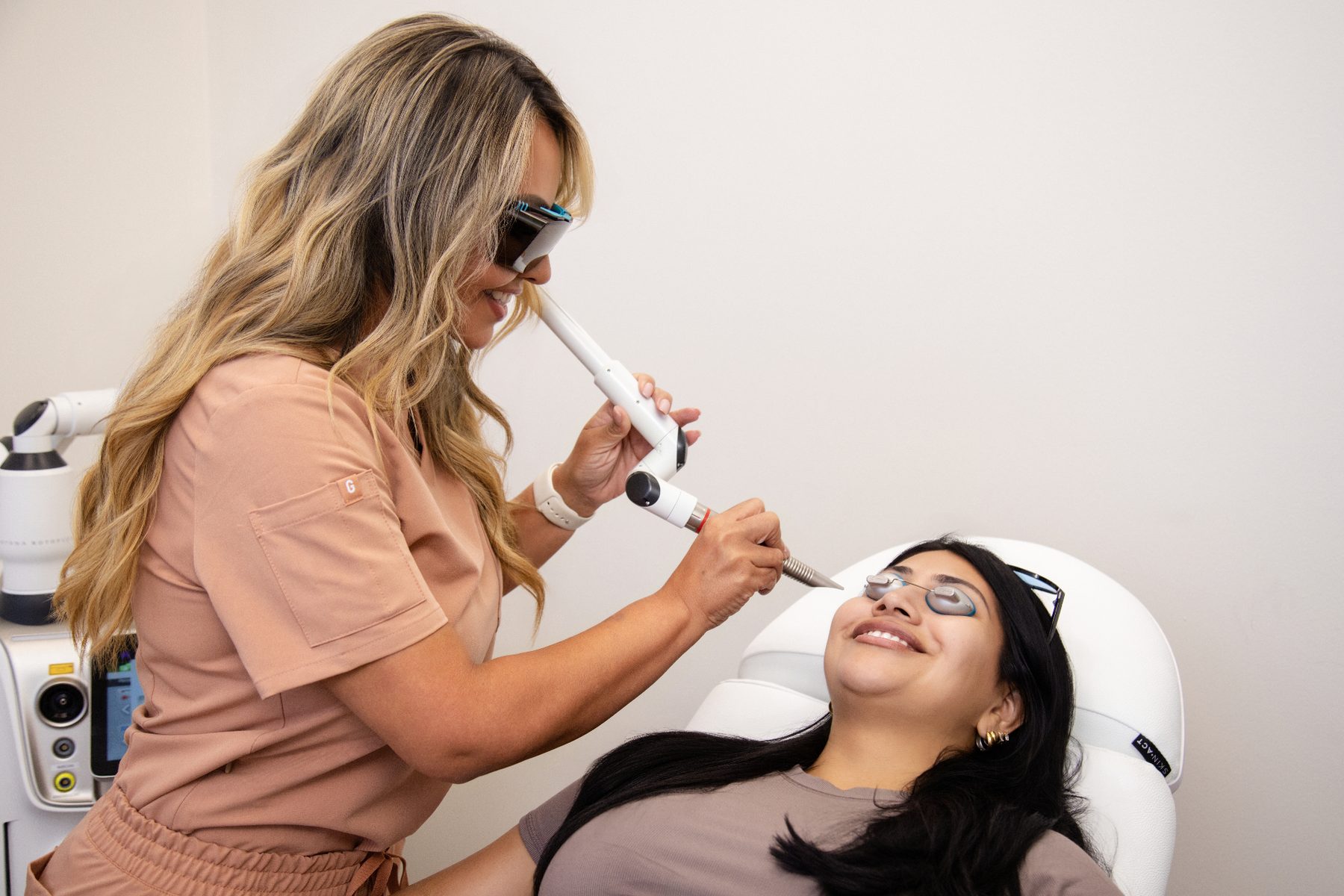
Skin rejuvenation has changed dramatically over the last decade. Patients still want visible improvement, but many are no longer interested in the old trade-off of aggressive downtime for every meaningful result. In a place like Encino, where people often want to look refreshed without disappearing from work, school pickup, meetings, or social plans for two weeks, that matters. Treatments that can improve tone, texture, laxity, and fine lines while fitting into real life tend to gain traction quickly.
That is one reason the Fotona 4D Laser Facial, often discussed alongside the TimeWalker platform, gets so much attention. It is not a single laser pass aimed at one superficial concern. It is a layered treatment concept designed to address skin from the inside and outside, combining intraoral tightening, deeper collagen stimulation, targeted resurfacing, and a finishing polish to improve overall quality. When used thoughtfully, it can create the kind of change patients usually describe in very practical terms: my skin looks firmer, my jawline seems cleaner, my pores look less obvious, and I do not look tired all the time.
For patients considering a Fotona 4D Laser Facial (TimeWalker) in Encino, CA, the key is understanding what the treatment actually does, who tends to benefit most, and what a realistic course of care looks like. The best outcomes usually come from good treatment planning, not hype.
Why this treatment stands out
Many facial rejuvenation procedures focus on one lane. A superficial peel may brighten and smooth. A tightening treatment may target laxity but do little for discoloration or roughness. Injectables can restore volume or relax expression lines, yet they do not directly improve crepey skin or enlarged pores. Fotona 4D takes a broader approach.
The name “4D” refers to four treatment modes used in one session, each reaching different tissue depths and targets. Depending on the provider’s protocol and the patient’s needs, these steps may include a smooth intraoral treatment to stimulate collagen around the mouth and lower face, a deeper fractional or bulk-heating phase for tightening, a more focused resurfacing step, and a final superficial polish to improve skin luminosity.
That layered strategy matters because aging rarely shows up in just one plane. The early changes a patient notices in the mirror may include mild under-eye creasing, lipstick lines, slight descent around the mouth, a rougher feel across the cheeks, and skin that no longer reflects light evenly. Trying to solve that with one narrowly targeted treatment often leaves people underwhelmed. The Fotona system works better when the goal is Fotona 4D Laser Facial (TimeWalker) Encino, CA overall skin quality with a firmer, more rested look.
In practice, that means it often appeals to patients in their late 30s through 60s who feel they look older or more fatigued than they are, but are not ready for surgery or do not need it. It can also help younger patients with early textural change or post-acne irregularity, though expectations should be tailored. A 32-year-old with mild pore congestion and faint smile lines is not seeking the same endpoint as a 58-year-old with moderate laxity and etched lines.
What “TimeWalker” usually refers to in this setting
TimeWalker is often used as a branded treatment experience built around Fotona laser technology. In patient conversations, the term can create confusion because some people assume it is a completely separate device or a single preset facial. It is more accurate to think of TimeWalker as a treatment concept that may incorporate Fotona’s established laser modalities in a customized anti-aging plan.
That distinction matters in consultation. A patient may arrive asking for the “TimeWalker facial” because they saw dramatic before-and-after photos online, but those results may have come from a specific protocol, energy setting, number of sessions, and skin preparation plan that differs from what they personally need. Responsible providers do not treat a brand name. They treat a face, a skin type, a degree of laxity, a history of sun exposure, and a patient’s tolerance for downtime.
Encino practices that offer Fotona 4D Laser Facial (TimeWalker) services often see a wide range of skin concerns, from entertainment professionals wanting camera-ready skin to parents and executives simply wanting to look less drawn. The appeal is broad because the treatment can be adjusted for subtle refreshment or more assertive collagen remodeling over a series.
How the four dimensions work together
The most useful way to understand Fotona 4D is to picture skin rejuvenation as a construction project done in phases rather than a single coat of paint.
The first phase often involves the inside of the mouth. This surprises many first-time patients, but it is one of the more distinctive features of the treatment. By delivering controlled heat through the oral mucosa, the laser can stimulate collagen contraction and remodeling in tissues around the perioral area, nasolabial folds, and lower cheeks. Patients usually do not describe this as painful so much as unusual. There is warmth, some pressure, and the odd sensation of having tissue treated from an angle you cannot replicate with external devices. Done well, this step can help with the area where early sagging and mouth lines often begin to bother people.
The deeper thermal phase follows, targeting collagen support in the skin. This is less about peeling the surface and more about heating the tissue enough to trigger remodeling. Immediate tightening may be subtle. The more meaningful benefit tends to build gradually over weeks as collagen responds. This is where patient education matters. Anyone expecting an overnight facelift effect is setting themselves up for disappointment. Anyone who understands that collagen is a slow biological process tends to appreciate the trajectory more.
Then comes the resurfacing component. Depending on settings and goals, this can address uneven texture, superficial lines, enlarged pores, and areas of photodamage. It is often the phase that contributes most to the “my skin looks smoother” feedback. It can also be the point where downtime becomes more noticeable if treatment is aggressive. There is a big difference between a light refresh and a more assertive resurfacing pass, and that difference should be discussed ahead of time.
The final polish is typically the part that boosts brightness and refines the surface. This can leave the skin looking fresher and more reflective, which is part of why patients often say they look healthier even before full collagen changes develop.
When these phases are balanced correctly, the result is not just tighter skin or smoother skin in isolation. It is a more coherent improvement across texture, tone, and firmness.
What concerns it can improve
A well-selected patient can see meaningful change in several areas at once. Fine lines around the mouth often soften. Creasing on the cheeks may look less etched. Skin can feel denser and springier. Pores may appear reduced, especially across the nose and inner cheeks. Mild jowling or lower-face heaviness can look a touch firmer, though it is important not to overstate that effect. Laser tightening helps, but it does not replace surgical lifting in patients with significant tissue descent.
Sun damage is another common reason people seek treatment in Southern California. Encino residents have often accumulated years of incidental UV exposure, not just from beach days but from commuting, outdoor exercise, lunch patios, and everyday life under strong light. That exposure shows up as uneven pigmentation, roughness, and a sort of generalized dullness that makeup never fully corrects. While Fotona 4D is not primarily a pigment laser in the same way a dedicated melanin-targeting device might be, improving texture and epidermal turnover can still make skin look more even and refined.
Acne scarring can also improve, especially when scars are shallow to moderate and accompanied by enlarged pores or rough texture. Deep tethered scars usually need combination care, sometimes including subcision, microneedling radiofrequency, targeted filler, or more focused fractional resurfacing. This is a good example of why experience matters. The laser is powerful, but not every skin issue should be forced into one treatment bucket.
The consultation is where good results begin
The most important appointment is often the one before the first treatment. A rushed consultation tends to produce mediocre laser plans. A careful one can save months of frustration.
A provider should look at skin type, current skincare, rosacea tendency, melasma history, active acne, recent tanning, medications, herpes simplex history, scarring risk, and past response to lasers. These details are not small print. They shape safety and outcome. A patient with easily triggered pigmentation may need a more conservative resurfacing approach. Someone with persistent redness may benefit from a modified plan or different sequencing. A person who had a strong reaction to a previous ablative treatment is not automatically a poor candidate, but deserves caution and context.
This is also the time to discuss goals in language that matches reality. Saying “I want to look 10 years younger” is emotionally understandable but clinically vague. Saying “I want the area around my mouth to look less creased and my cheeks to feel smoother” is much more useful. The best laser consultations translate broad dissatisfaction into specific treatment targets.
What treatment day actually feels like
Many patients are nervous because laser facial descriptions online swing wildly between “felt like nothing” and “it was awful.” The truth depends on settings, treatment depth, individual sensitivity, and preparation.
With a conservative to moderate Fotona 4D session, patients often describe warmth, a prickling sensation, and intermittent zaps that are noticeable but tolerable. The intraoral step can feel strange but is usually manageable. Topical numbing may be used for certain phases. Cooling, breaks, and careful pacing make a difference, especially in more reactive patients.
Afterward, the skin may look flushed, similar to a strong workout or a day in the sun. Some swelling is normal, especially around the mouth or under the eyes. If resurfacing is more substantial, patients can Fotona 4D Laser Facial (TimeWalker) Encino, CA expect roughness, dryness, bronzing, or a sandpapery feel for several days. Those who choose lighter settings may be back to routine quickly, while those opting for more visible correction should plan for social downtime.
This is one of the most practical judgments in aesthetic medicine: should the treatment be gentle enough for minimal disruption, or strong enough to justify several days of recovery? There is no universally correct answer. It depends on the patient’s calendar, skin resilience, and tolerance for incremental versus faster change.
Results usually build, not explode
One mistake I see often is measuring the success of collagen-based laser work too early. A patient may look in the mirror at day five and judge only the residual dryness or temporary roughness. The more meaningful changes often emerge later. Surface brightness can improve within days to a couple of weeks, but firmness and line softening generally continue evolving over one to three months.
That is why many providers recommend a series. One session can produce a refresh. A series, often spaced several weeks apart depending on protocol, usually creates more consistent and lasting change. Patients with mild concerns may be happy after one or two sessions each year. Those with more established aging often do better with an initial corrective series followed by maintenance.
There is no honest way to promise the same result to everyone. A 45-year-old with decent skin quality and early laxity may respond quickly. A 63-year-old former sun worshipper with thinner skin and deeper lines may improve too, but the endpoint will be different. The art lies in matching the treatment to what skin can realistically deliver.
Encino patients often want “better,” not “done”
This is worth saying because it shapes how Fotona 4D fits into a treatment plan. In Encino, many patients are not chasing a dramatic, instantly obvious cosmetic change. They want to look well rested in daylight, less textured on video calls, and a little firmer without appearing altered. They still want to resemble themselves.
That goal suits Fotona 4D well. It tends to produce a polished, healthy look rather than a frozen or overfilled one. In patients who have started to rely on heavier makeup to blur texture, there is often a point after treatment where makeup sits better or less is needed. That is not a marketing phrase. It is one of the most common real-world markers of success.
There is also something practical about a treatment that respects busy schedules. While stronger resurfacing settings can create downtime, many protocols are designed for people who cannot step away from obligations for long. That is especially relevant in a community where professional and social visibility matter.
How it compares with other rejuvenation options
Fotona 4D occupies a middle space that many patients find useful. It is usually more comprehensive than a superficial facial or light peel, but less disruptive than fully ablative resurfacing. It can create more skin-quality improvement than injectables alone, yet it does not replace the structural correction of surgery when laxity becomes significant.
A patient with deep static forehead lines may still need neuromodulator for the best result. Someone with volume loss through the midface may benefit from filler or biostimulatory injectables. A patient with substantial lower-face descent may eventually decide that surgery is the more efficient choice. Good aesthetic medicine is not about pretending one tool does everything. It is about sequencing treatments intelligently.
This is where combination care often shines. A patient may use Fotona 4D for texture and tightening, neuromodulator for dynamic lines, and a conservative amount of filler for volume balance. Another may pair laser work with medical-grade skincare and strict sun protection and skip injectables entirely. Both can be reasonable plans.
Safety, skin type, and the importance of customization
Laser treatment is never one-size-fits-all. Skin tone, melanin activity, and inflammatory tendency all matter. Darker skin tones can absolutely benefit from laser rejuvenation, but settings and treatment choices must account for pigment risk. Overly aggressive resurfacing in the wrong patient can lead to prolonged redness or post-inflammatory hyperpigmentation. That does not mean the treatment is unsafe. It means customization is non-negotiable.
Providers should also ask about recent retinoid use, exfoliants, active rashes, cold sores, and isotretinoin history. Even habits like picking at flakes during healing can affect outcome. The treatment itself is only part of the equation. Prepping skin and guiding recovery well often determines whether the final result feels smooth and elegant or unnecessarily bumpy.
Recovery is where patient discipline pays off
Aftercare rarely gets the spotlight, but it is where a lot of good results are protected. Heat, intense exercise, direct sun, irritating skincare, and over-cleansing can all make healing harder. Gentle cleansing, bland moisturization, and careful sunscreen use sound simple, but they matter.
Patients who travel between treatment sessions sometimes underestimate the effect of sun exposure, especially in Southern California. Even a few afternoons outdoors can interfere with recovery if skin is still vulnerable. This is one of the less glamorous truths about laser work: the treatment can be excellent, but if the patient resumes aggressive active ingredients too fast or skimps on sun protection, results can be compromised.
A short practical framework helps:
- Keep skincare simple for the first several days unless your provider says otherwise.
- Avoid direct sun and use broad-spectrum SPF diligently.
- Do not scrub, pick, or peel flaking skin.
- Pause strong actives such as retinoids and acids until cleared.
- Contact the office if redness, swelling, or discomfort feels excessive rather than guessing at home.
Those basics sound obvious, yet they are often the difference between a smooth week of recovery and a prolonged one.
Who tends to be happiest with Fotona 4D
The most satisfied patients usually share a certain mindset. They want authentic improvement, not fantasy. They are willing to commit to more than one session if needed. They understand that collagen remodeling takes time. They value looking refreshed rather than transformed.
This treatment tends to work especially well for people bothered by the early to moderate signs of aging that make the face look worn before they look overtly old. It is also a strong option for patients who feel their skin quality has slipped, even if they cannot point to one severe issue. Sometimes the complaint is simply, “My face lost its snap.” That is imprecise but familiar, and often exactly the category where Fotona 4D shines.
The less ideal candidate is someone expecting one session to erase deep folds, lift heavy jowls, and replace surgery. Laser can improve those features to a point, but it cannot suspend anatomy. Honest framing is essential.
Questions worth asking before booking in Encino
Not every practice uses the same protocol or has the same experience level, so the patient should feel comfortable asking direct questions. How many Fotona 4D or TimeWalker facial treatments does the provider perform in a typical month? Which component is most important for your specific concerns? What kind of downtime should you realistically expect at the planned settings? Will a single session make sense, or is a series recommended? How does the office manage pigment risk in your skin type?
These questions are not confrontational. They are sensible. Laser outcomes depend heavily on judgment, settings, and patient selection. A polished website is not a substitute for clinical experience.
The real value of a Fotona 4D Laser Facial (TimeWalker) in Encino, CA
The strongest case for a Fotona 4D Laser Facial (TimeWalker) in Encino, CA is not that it is trendy or branded well. It is that it addresses several visible signs of skin aging at once in a way that can be customized for different faces, different goals, and different downtime tolerances. It offers a path for patients who want measurable rejuvenation without jumping straight to surgery or relying solely on injectables.
When performed by an experienced provider with a clear understanding of skin biology, the treatment can tighten mildly lax areas, soften fine lines, refine texture, and restore some of the brightness that sun exposure and time tend to flatten. The result is often not dramatic in the theatrical sense. It is better than that. It is believable. People may not ask what you had done. They may just tell you that you look rested, healthier, or somehow more like yourself again.
That is often the best outcome in aesthetic medicine.
OMNIA Wellness Center
16430 Ventura Blvd Ste 207, Encino, CA 91436
Phone: +1 818-386-8511
FAQ About Fotona 4D Laser Facial (TimeWalker) Encino, CA
What is a Fotona laser good for?
Fotona lasers support several different aesthetic protocols. The Fotona 4D facial uses two wavelengths and four treatment modes to address concerns such as fine lines, skin texture, and mild laxity. OMNIA Wellness Center offers the TimeWalker facial with an individual consultation. Suitability and likely improvement depend on the person's skin and goals; results are not guaranteed, and this treatment does not reproduce a surgical facelift.
How much does a Fotona laser treatment cost?
The cost depends on the treatment protocol, areas treated, number of sessions, and provider's assessment. Ask OMNIA Wellness Center for a current written quote that explains what is included, whether follow-up is included, and any proposed package terms. An individualized estimate is more useful than assuming that one advertised price applies to every facial treatment.
How much downtime is there after a Fotona laser procedure?
Recovery varies with the specific protocol and intensity. Fotona describes its 4D facial as having little to no downtime, but temporary redness or sensitivity can occur, and a stronger surface treatment can require more recovery. Ask the treating clinician what to expect from the planned settings, how to care for the skin afterward, and when to contact the clinic with concerns.