Fotona 4D Laser Facial (TimeWalker) in Encino, CA: Personalized Treatment Insights
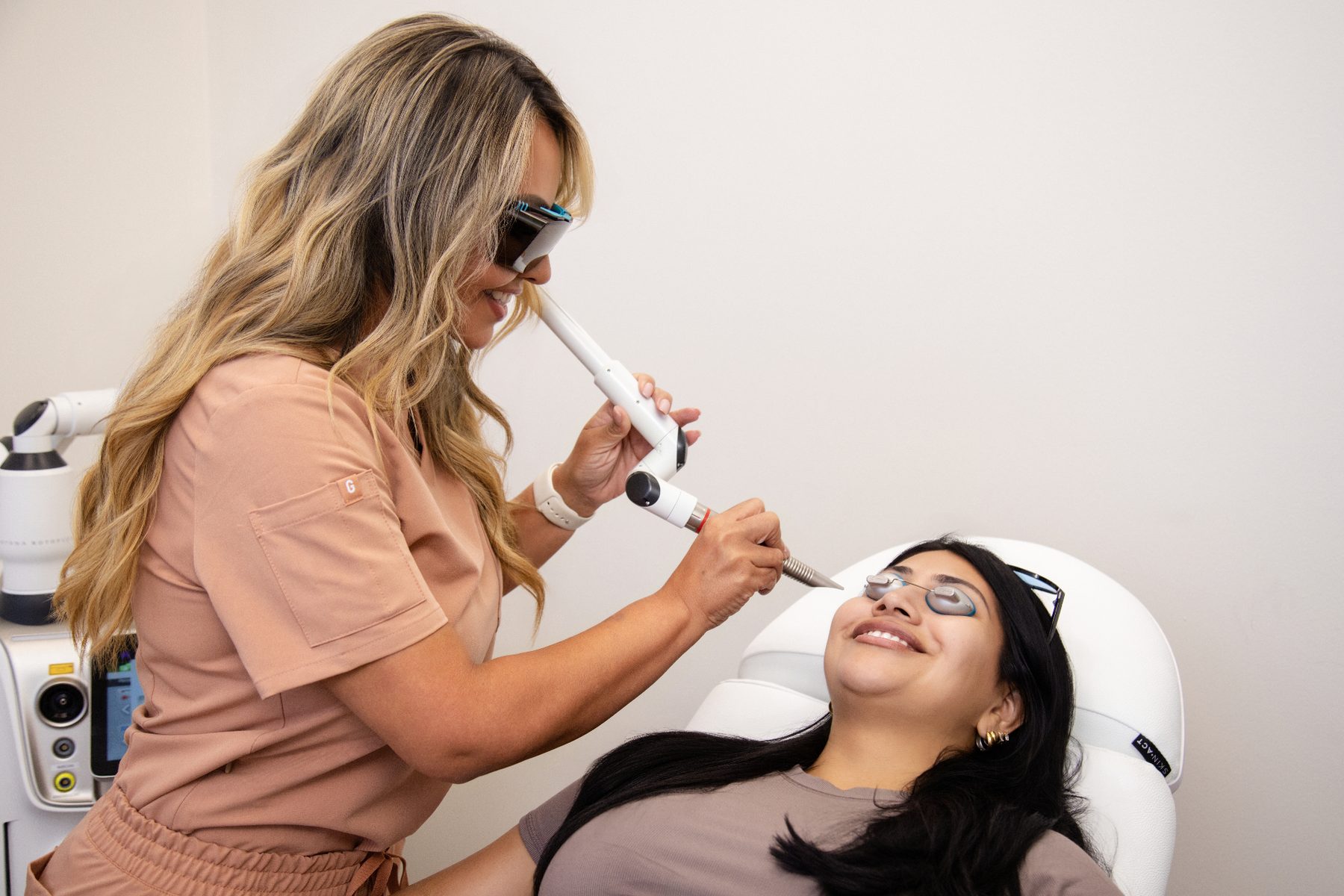
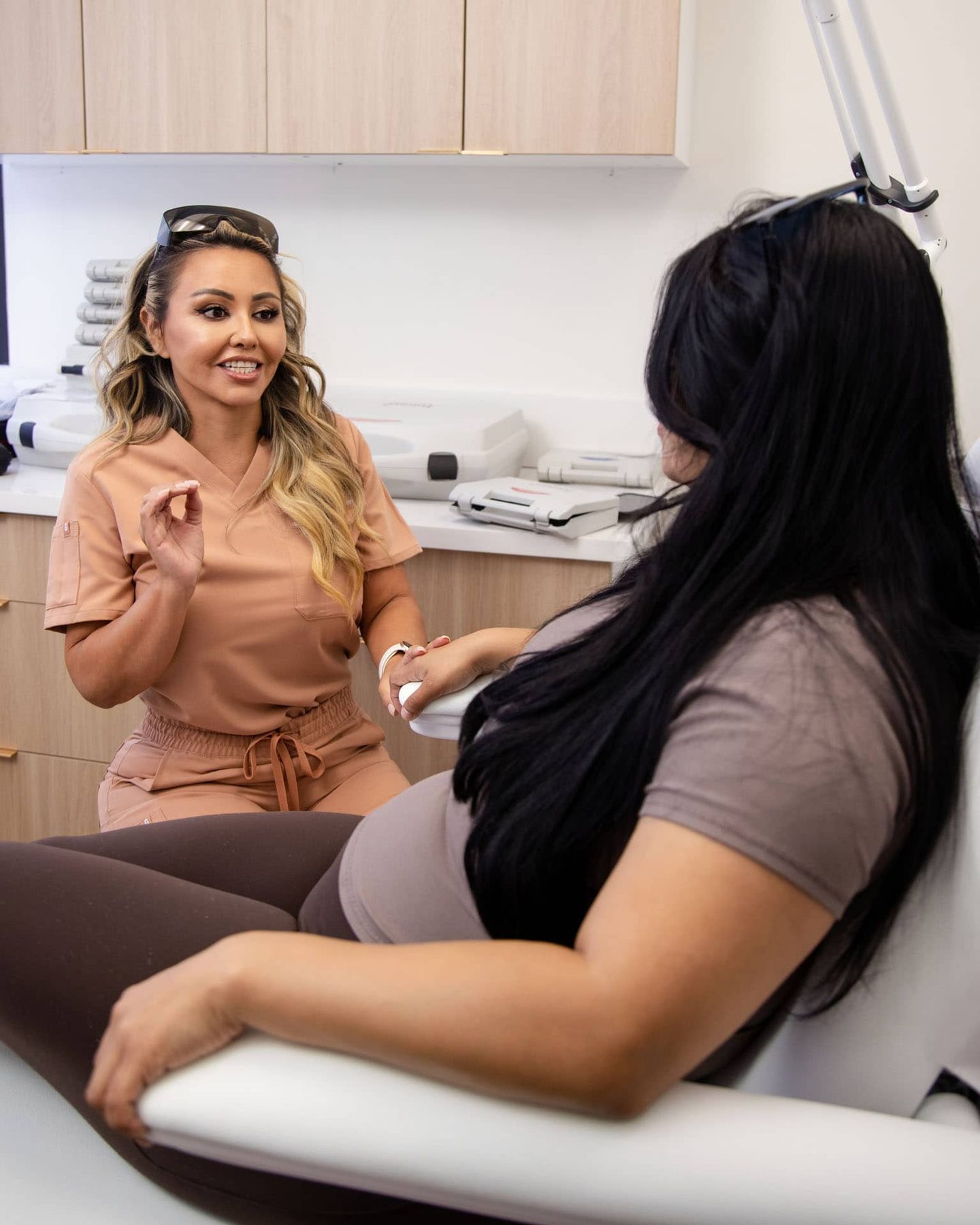
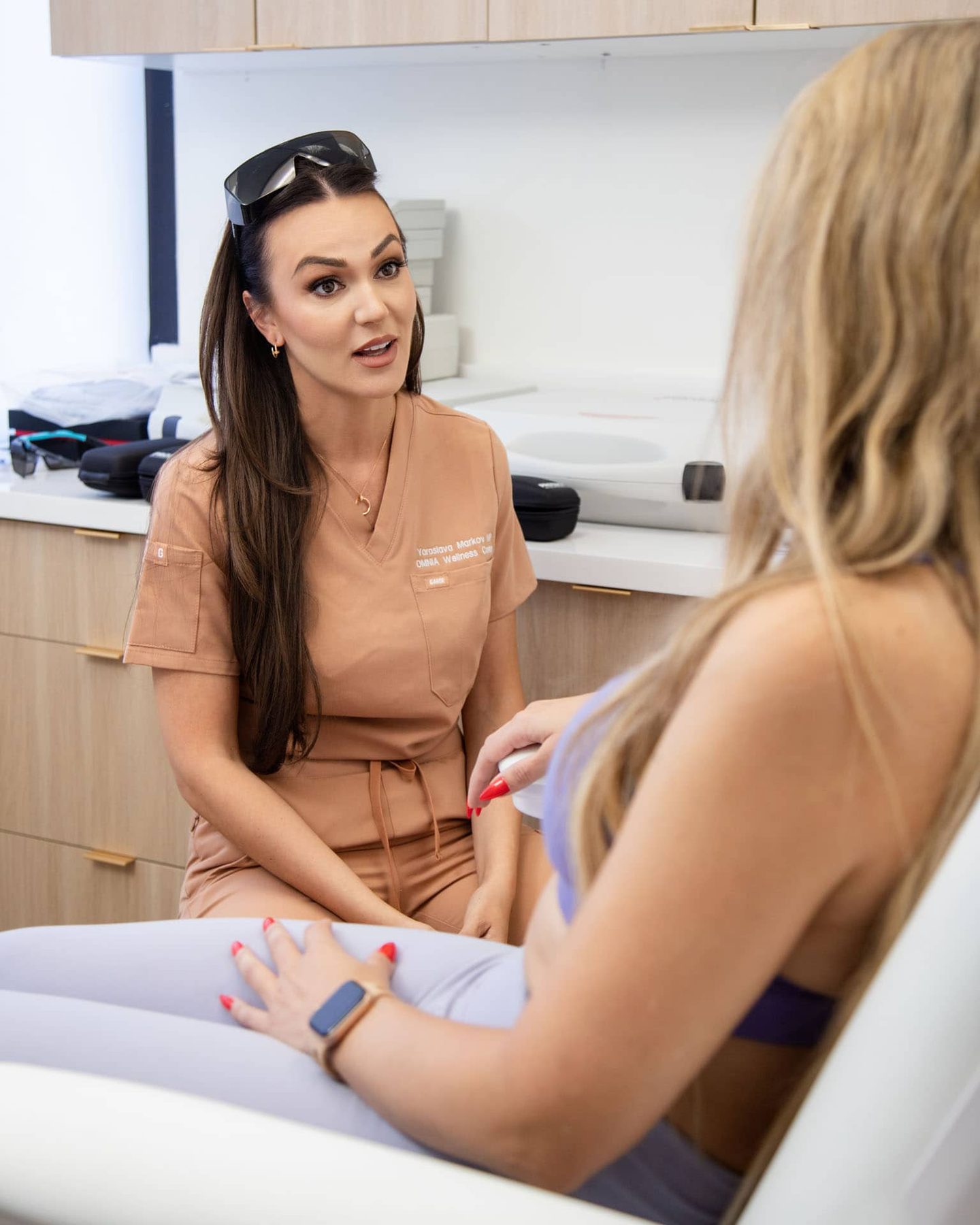
The appeal of non-surgical skin rejuvenation is easy to understand in a place like Encino. People want visible improvement, but they do not necessarily want a drawn, overfilled, or obviously treated look. They want skin that reflects more light, texture that feels smoother, a jawline that reads firmer, and a face that looks rested rather than altered. That is where the Fotona 4D Laser Facial (TimeWalker) enters the conversation.
What makes this treatment especially interesting is not just the technology itself, but the way it can be adapted. In practice, the best results rarely come from using a laser the same way on every patient. The face is too variable for that. Some patients are mainly bothered by crepey texture around the mouth. Others have laxity through the lower face, acne scarring on the cheeks, or the kind of dullness that comes from cumulative sun exposure and slower cell turnover. A thoughtful treatment plan matters more than the name of the device on the door.
For patients searching for a Fotona 4D Laser Facial (TimeWalker) Encino, CA option, personalization is not a marketing detail. It is the difference between a treatment that simply sounds advanced and one that actually fits the skin in front of the provider.
What Fotona 4D actually means in real clinical terms
Fotona 4D is not one single pass of a laser. It is a multi-step approach that combines different laser modes and depths of treatment to address both superficial and deeper concerns. The reason this matters is simple. Aging does not happen on one layer alone. You can have surface irregularities, collagen loss, mild skin laxity, etched lines, and volume changes all showing up at the same time.
The 4D concept attempts to meet that complexity by treating from the inside out and the outside in. One of the more distinctive parts of the treatment involves an intraoral step, where energy is delivered inside the mouth along the cheeks and around the lip area. That sounds unusual the first time a patient hears it, but it is one of the reasons the treatment has a reputation for improving perioral lines and subtle lower-face tightening without injectables or surgery.
The TimeWalker platform is often discussed alongside Fotona’s aesthetic technologies because it allows providers to customize pulse durations, energy settings, and treatment sequences depending on skin goals and tolerance. In experienced hands, that flexibility is valuable. It lets the treatment become more precise, especially for patients who do not fit neatly into a one-size-fits-all category.
Why patients in Encino often ask about this treatment
Encino patients tend to be informed. Many have already tried facials, peels, microneedling, radiofrequency, or injectables. They are not coming in blind. Usually, they are looking for one of three things: a treatment that does more than a spa facial, a treatment with less downtime than aggressive resurfacing, or a way to Fotona 4D Laser Facial (TimeWalker) Encino, CA support skin firmness without moving straight to surgery.
That middle ground is where Fotona 4D often makes sense. It can improve tone, texture, mild laxity, and early to moderate photoaging in a way that feels incremental but meaningful. A common reaction after a well-planned series is not, “My whole face looks different.” It is, “I look better, and people cannot quite tell why.” For many adults, that is the ideal outcome.
Encino’s climate and lifestyle also shape skin concerns. Sun exposure is a major factor, even in patients who are diligent now but spent years driving, exercising outdoors, or simply living in Southern California without enough protection. Pigment, broken capillaries, roughness, and collagen breakdown often coexist. While Fotona 4D is not a cure-all for every sun-related issue, it can fit into a broader strategy for managing those changes.
The treatment experience, beyond the brochure language
A lot of treatments sound easy on paper. Patients deserve a clearer picture.
A typical appointment begins with cleansing, skin assessment, and a review of current products, recent sun exposure, and any changes in health history. If the provider is careful, they will also ask about herpes simplex history around the lips, recent isotretinoin use, melasma tendencies, active acne flares, and past reactions to lasers or peels. These details are not bureaucratic. They directly affect safety and planning.
During treatment, the sensation varies by step. The intraoral portion often feels warm and strange rather than sharply painful. External passes can range from tolerable heat to a stronger snapping or prickling sensation, depending on settings and treatment depth. Some providers use topical numbing for part of the session, while others reserve it for more intensive passes. Patients often ask whether it hurts. The honest answer is that discomfort exists, but it is usually manageable, especially when settings are matched to the patient rather than pushed aggressively for bragging rights.
Immediately after treatment, most patients look pink to red, a bit like a moderate sunburn. There can be warmth, mild swelling, and a sensation of tightness. The degree depends on how intensive the session was and which passes were performed. Some people are presentable the next day with tinted sunscreen. Others want two or three days before social events. Anyone promising zero downtime Fotona 4D Laser Facial (TimeWalker) Encino, CA for every patient is oversimplifying.
Who tends to benefit most
The strongest candidates are often people with mild to moderate skin laxity, textural change, fine lines, enlarged pores, early jowling, or a tired overall skin quality that does not seem to improve enough with skincare alone. Patients in their thirties through sixties commonly ask about it, though age alone does not determine candidacy. Biology matters more than the birth year on the chart.
A healthy patient in their forties with early lower-face laxity, lipstick lines beginning to form, and sun-related roughness can do very well. So can someone in their fifties who is not ready for surgery but wants a fresher, firmer look. On the other hand, a patient with significant skin redundancy or heavy neck laxity may be better served by a surgical consultation if their expectations are major lifting rather than refinement.
This is where professional judgment matters. Laser treatments can improve and support. They do not replace every other modality. One of the most useful consultations is the one where the provider explains not only what Fotona 4D can do, but what it cannot do well.
The role of customization, where results are won or lost
When people hear “personalized treatment,” they often assume it means small adjustments around the edges. With Fotona 4D, customization can be much more substantial than that. Settings, passes, spacing between sessions, prep, and aftercare should all shift based on the patient’s skin behavior.
A patient with thin, reactive skin and background redness may need a gentler first session, more conservative heat buildup, and careful post-care to avoid prolonged irritation. Someone with thicker, oilier skin and acne scarring may tolerate a more robust approach. A patient with significant sun damage but a history suggestive of post-inflammatory hyperpigmentation may need a slow and strategic plan, especially if their skin type carries more pigment risk after heat-based procedures.
Even the treatment endpoint matters. Experienced providers do not chase redness just to prove the laser “did something.” They look for controlled, useful tissue response. There is a clinical difference between a treatment that stimulates remodeling and one that simply over-irritates the skin barrier.
What concerns it can address well, and where its limits show
It helps to think of Fotona 4D as a broad rejuvenation tool rather than a single-issue fix. It tends to perform best when the goal is overall improvement across several categories at once. Skin can look smoother, brighter, somewhat tighter, and more refined after a series, even if no one category changes dramatically on its own.
That broad effect is part of its appeal. A patient may come in saying, “I just look older and more tired,” without one isolated complaint. In those cases, a multi-layer laser approach can be more satisfying than chasing each concern with a different small intervention.
Still, there are limits. Deep static folds may soften but usually do not vanish. Moderate to severe volume loss often needs a separate conversation, whether about biostimulators, fillers, or simply the reality that volume and skin texture are different problems. Significant brown pigment may require additional treatments more specifically aimed at discoloration. Deep acne scars may improve, but often need a longer strategy that can include subcision, other resurfacing modalities, or combination care.
A sensible consultation should include that nuance. Good laser work is often about selecting the right patient as much as selecting the right settings.
Recovery expectations, realistically framed
Recovery is one of the most common points of confusion because downtime is not a fixed number. A lighter treatment may leave someone pink for a day with minimal interruption. A more intensive session may create swelling, bronzing, rough texture, and social downtime for several days.
Most patients can expect some combination of redness, dryness, sensitivity, and a sandpapery feel as the skin moves through repair. Makeup timing depends on skin response and provider guidance, but many can return to it within a short window if the skin surface is intact and calm. Sun protection becomes even more important after treatment, not as a generic reminder but as a real determinant of outcome.
One practical point that patients often appreciate: plan the treatment around your calendar, not against it. If you have a wedding, on-camera event, or major work presentation, allow margin. Skin does not always read the brochure.
Why a series often works better than a single session
Single-session improvements can happen, especially in brightness and skin feel, but collagen remodeling is cumulative. Most patients do better with a series spaced over time, followed by maintenance. The exact number varies by starting point and goals, but setting expectations early prevents frustration.
There is a familiar pattern in aesthetic medicine where a patient wants one treatment to solve a problem built over ten or fifteen years. That is understandable, but skin usually responds better to staged correction. The advantage of a series is that the provider can watch how the skin behaves and adjust. Maybe the first session shows that the patient heals beautifully and can tolerate a stronger second treatment. Or maybe it reveals more sensitivity than expected, in which case the plan should shift.
This adaptive process is one reason experienced follow-up matters. Personalized care is not just the initial consult. It is how the treatment evolves.
How it compares to other popular options in practice
Patients frequently compare Fotona 4D with microneedling, radiofrequency microneedling, IPL, CO2 resurfacing, and traditional facials. These comparisons are useful, but only if they are grounded in what each modality is genuinely good at.
Microneedling is often excellent for texture and can be a strong maintenance treatment, but it typically does not provide the same layered heating effect or intraoral component. Radiofrequency microneedling can be very effective for laxity, pores, and certain acne scars, though downtime and sensation vary, and device quality differs widely. IPL targets pigment and vascular concerns well in the right candidate, but it is not a skin-tightening treatment in the same way. More aggressive ablative resurfacing can produce dramatic textural improvement, but with more recovery and a narrower tolerance window for some patients.
The best choice depends less on which technology is most talked about and more on what the skin actually needs. Sometimes Fotona 4D is the right centerpiece. Sometimes it is better used as part of a larger plan rather than the entire plan.
Questions worth asking before booking
A polished consultation matters less than a thorough one. Patients should leave understanding not just the sales language, but the clinical logic behind the recommendation. A few questions tend to separate a superficial consult from a serious one:
- Which concerns on my face are you targeting with this treatment, specifically?
- What degree of improvement is realistic for me after one session and after a series?
- What downtime should I plan for based on my skin and the settings you expect to use?
- What alternatives would you consider if my main goal is tighter skin, fewer lines, or better pigment correction?
- How will my skincare routine need to change before and after treatment?
The answers should sound tailored. If every patient gets the same script, something is being missed.
The importance of skin type, pigment risk, and pre-treatment prep
Laser conversations can become too casual, especially around devices marketed as lunch-break friendly. That is not how careful practices approach them. Skin type, recent tanning, active inflammation, and barrier health all matter.
For patients with more melanin-rich skin, treatment planning should be particularly thoughtful. That does not mean these patients cannot be treated. It means energy-based procedures need appropriate caution, settings, and follow-up to reduce the risk of post-inflammatory hyperpigmentation or uneven healing. A provider who brushes past that discussion too quickly is not doing the patient a favor.
Pre-treatment skincare can also change the result. Over-exfoliated, irritated skin is often a poor starting point. Patients using retinoids, exfoliating acids, benzoyl peroxide, or strong actives may need temporary adjustments. Those prone to cold sores may need prophylactic medication if the treatment includes the lip area. This is not glamorous advice, but it is the kind that prevents unnecessary setbacks.
What post-treatment care actually deserves attention
Aftercare instructions should be simple enough to follow and specific enough to matter. The skin usually needs gentleness more than heroics. Bland moisturizers, strict sun avoidance, broad-spectrum sunscreen, and a temporary pause on harsh active ingredients often do more good than a complicated stack of products.
Patients sometimes sabotage a good result by trying to “speed healing” with too many products. Fragrance, strong acids, retinoids, scrubs, and heat exposure from workouts, saunas, or hot yoga can all provoke more irritation if resumed too soon. The best recoveries tend to come from restraint.
A straightforward post-care rhythm often includes the following:
- Cleanse gently with lukewarm water and a mild, non-stripping cleanser.
- Use a simple moisturizer that supports the barrier without stinging.
- Wear sunscreen consistently and avoid deliberate sun exposure.
- Pause potent actives until the skin is calm and the provider clears them.
- Report unusual blistering, persistent swelling, or delayed healing rather than guessing.
Those basics sound almost too simple, but they are where many outcomes are protected.
Cost, value, and how to think about the investment
Pricing in Encino can vary based on provider expertise, the platform used, the intensity of treatment, and whether the plan includes a package or maintenance schedule. There is no single honest number that applies everywhere. What matters more is understanding what you are paying for.
A higher fee may reflect a more experienced clinician, better customization, stronger follow-up, and safer judgment. A lower fee may be reasonable, or it may signal a rushed protocol with generic settings and minimal support. Cost should be evaluated alongside credentials, consultation quality, and treatment planning.
From a value standpoint, Fotona 4D often appeals to patients who want one treatment approach that addresses several moderate concerns at once. If a patient would otherwise stack multiple separate services to chase texture, brightness, and mild tightening, a well-designed laser series can make practical sense.
Why provider judgment matters more than the machine alone
It is tempting to shop aesthetic treatments by device name alone. Patients do it all the time, and the marketing encourages it. But devices do not treat faces on their own. Providers do. Two people can use the same platform and produce very different experiences and outcomes.
Good judgment shows up in the consultation, in conservative choices when needed, in clear expectation setting, and in knowing when not to push treatment intensity. It also shows up in timing. Sometimes the best decision is to improve the skin barrier first, delay for a recent tan, combine with another modality later, or refer a patient for surgery if their goals are beyond what a non-surgical approach can deliver.
That kind of honesty usually predicts better long-term results than an aggressive promise ever will.
What a successful result tends to look like
A good Fotona 4D outcome rarely looks theatrical. The skin appears fresher. Fine lines may look softer. Makeup sits better. There may be more reflection on the high points of the face because the surface is smoother. The lower face can look subtly more supported. Around the mouth, patients often notice that creasing is less sharp and lipstick behaves a little better.
These shifts can be easy to underestimate in photos because the change is often cumulative and structural rather than dramatic. In person, though, people notice. Patients often describe looking less tired, less creased, or less “deflated,” even if no one can pinpoint the reason.
That is often the sweet spot for non-surgical facial rejuvenation. Not transformation, but restoration.
A sensible perspective for patients considering treatment in Encino
For anyone exploring a Fotona 4D Laser Facial (TimeWalker) Encino, CA practice, the smartest approach is to focus on fit. Fit between the treatment and your concerns. Fit between your tolerance for downtime and the intensity required to produce change. Fit between your expectations and the biology of your skin.
The technology has a real place in aesthetic medicine. It can be a strong option for patients who want meaningful but natural-looking rejuvenation without surgery and without the recovery of more aggressive ablative procedures. But the phrase worth remembering is not “latest treatment.” It is “appropriate treatment.”
When the consultation is honest, the plan is individualized, and the aftercare is respected, Fotona 4D can be a very useful tool. Not because it promises everything, but because, for the right patient, it can improve several visible signs of facial aging in a balanced and believable way.
OMNIA Wellness Center
16430 Ventura Blvd Ste 207, Encino, CA 91436
Phone: +1 818-386-8511
FAQ About Fotona 4D Laser Facial (TimeWalker) Encino, CA
What is a Fotona laser good for?
Fotona lasers support several different aesthetic protocols. The Fotona 4D facial uses two wavelengths and four treatment modes to address concerns such as fine lines, skin texture, and mild laxity. OMNIA Wellness Center offers the TimeWalker facial with an individual consultation. Suitability and likely improvement depend on the person's skin and goals; results are not guaranteed, and this treatment does not reproduce a surgical facelift.
How much does a Fotona laser treatment cost?
The cost depends on the treatment protocol, areas treated, number of sessions, and provider's assessment. Ask OMNIA Wellness Center for a current written quote that explains what is included, whether follow-up is included, and any proposed package terms. An individualized estimate is more useful than assuming that one advertised price applies to every facial treatment.
How much downtime is there after a Fotona laser procedure?
Recovery varies with the specific protocol and intensity. Fotona describes its 4D facial as having little to no downtime, but temporary redness or sensitivity can occur, and a stronger surface treatment can require more recovery. Ask the treating clinician what to expect from the planned settings, how to care for the skin afterward, and when to contact the clinic with concerns.