Fotona 4D Laser Facial (TimeWalker) for Lasting Skin Revitalization
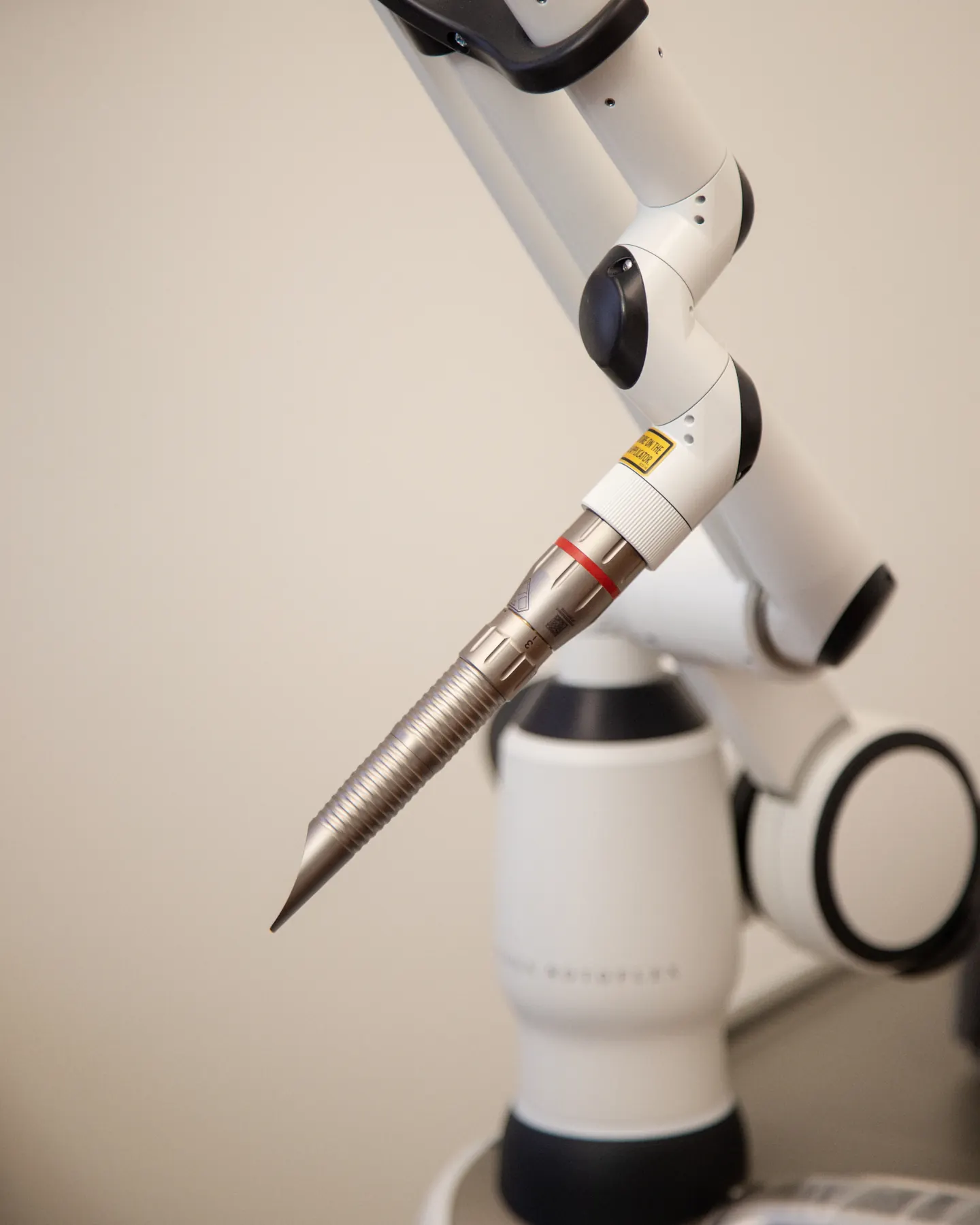
The appeal of non-surgical skin rejuvenation is easy to understand. Most people do not want a dramatic intervention, a long recovery, or a result that looks obvious from across the room. They want skin that appears fresher, tighter, smoother, and better rested, with improvements that make sense on a real face in real light. That is where the Fotona 4D Laser Facial (TimeWalker) has earned its reputation. It is not a single blunt treatment. It is a layered approach that uses different laser modes in sequence to target texture, laxity, tone, and support within the skin.
What makes it especially interesting in practice is that it treats both the outside and the inside of the face, including the oral mucosa, to stimulate tightening without surgery. That detail tends to surprise first-time patients. They often expect a standard resurfacing session done only on the skin surface. Instead, Fotona 4D was designed to work through multiple dimensions of facial aging, from the deeper collagen framework to surface irregularities.
A lot of laser treatments sound similar in marketing copy. In the treatment room, they are not. Some are best for pigment, some excel at scars, some are better for redness, and some focus mainly on resurfacing. The TimeWalker platform, when used for a Fotona 4D protocol, stands out because it combines separate steps that can be adjusted for the patient in front of you. That flexibility matters. Skin does not age in one way. One patient has fine crinkling around the mouth. Another has softening along the jawline. A third complains that makeup settles into enlarged pores and rough texture. A treatment that can be tuned to those variables tends to age better as a technology and produce more believable outcomes.
What the treatment actually is
Fotona 4D is a multi-step laser facial protocol performed with Fotona’s laser platform, often associated with the TimeWalker system. It typically combines Er:YAG and Nd:YAG wavelengths in a sequence designed to address deeper support, mid-level tightening, and superficial skin quality. The “4D” refers to four dimensions or treatment modes, not four identical passes over the face.
A common protocol includes an intraoral tightening step, followed by deeper fractional or bulk heating, then targeted treatment of superficial imperfections, and finally a controlled light peel effect for polish. Not every clinic uses the exact same settings, and not every patient receives the same intensity. That is not a flaw. It is how responsible laser medicine works. Settings should reflect skin type, tolerance, goals, season, social downtime, and history of pigmentation or scarring.
One of the practical strengths of this treatment is that it can bridge a gap between low-commitment facials and more aggressive resurfacing. It is more substantial than a routine spa facial, yet for many patients it avoids the downtime associated with fully ablative laser procedures. For someone who wants visible change but still needs to attend meetings, school events, or client-facing work, Fotona 4D Laser Facial (TimeWalker) that middle ground can be valuable.
Why the TimeWalker approach gets attention
The TimeWalker branding has helped bring more visibility to the Fotona platform, but the real reason clinicians continue offering the treatment is performance. It can improve skin quality in more than one plane during the same appointment. Patients often describe the result not as looking “done,” but as looking less tired, less crepey, and better supported.
The distinction matters. People rarely walk in asking for a wavelength. They ask for tighter lower cheeks, smoother smoker’s lines, better glow, or less “collapse” around the mouth. A well-executed Fotona 4D Laser Facial (TimeWalker) can speak to those concerns with a single coordinated session plan.
Another point worth noting is how useful this treatment can be for the perioral area. The region around the mouth is notoriously difficult to treat gracefully. It shows fine lines early, loses support over time, and can look overfilled if injectable treatments are used too aggressively. Intraoral laser tightening offers a different mechanism. It does not replace filler in every case, but it gives another option for patients who need support rather than volume.
The four layers, and what they contribute
The most helpful way to understand Fotona 4D is to think in layers rather than in brand language. Each step has a purpose.
The first dimension often involves SmoothLiftin, the intraoral Er:YAG step. A specialized handpiece delivers controlled energy from inside the mouth to the tissue around the nasolabial folds, marionette area, and perioral zone. This sounds unusual until you see the logic. Treating from the inside can heat and stimulate collagen support where the skin starts to fold and soften, without breaking the outer skin surface in that area. Patients usually feel warmth and pressure rather than sharp pain. It is one of those steps that sounds more intimidating on paper than it feels in practice.
The second layer may use a fractional or deeper heating mode, commonly FRAC3 or PIANO depending on treatment design. This stage addresses deeper imperfections and bulk heating. It can help with textural irregularities, unevenness, and overall firmness. In experienced hands, this is where the treatment begins to move beyond “facial” territory and into meaningful remodeling.
The third dimension generally targets superficial vascularity, pigmentation variation, or persistent imperfections. The exact benefit depends on settings and the patient’s baseline skin. Some people notice this most as improved clarity, with skin looking less mottled and more refined.
The final dimension is often a light Er:YAG polish called SupErficial. This creates the smoother, brighter finish many patients associate with a post-laser glow. Think of it as controlled refinement rather than a deep resurfacing peel. It can soften roughness, sharpen the way skin catches light, and make pores appear less obvious.
Taken together, these stages aim for an effect that is cumulative and layered. The deeper steps address support. The superficial steps improve finish. If you only do one without the other, the result can be partial. Tightening without texture improvement may not read as refreshed. Surface smoothing without structural support may look nice for a short time but fail to address what the patient actually sees in the mirror.
What it feels like during treatment
Patients usually want an honest answer here, and they should get one. Fotona 4D is tolerable for most people, but “no discomfort” would be misleading. Sensation varies by step. The intraoral phase often feels warm and strange rather than painful. The deeper heating phases may produce a hot snapping or prickling sensation. The superficial polish can feel more active, especially around the mouth and nose.
Topical numbing is commonly used, though some clinicians vary this depending on settings. Eye protection is mandatory. Sessions often last somewhere around 45 minutes to 90 minutes depending on the protocol, whether the neck is included, and how conservative or aggressive the settings are.
A common first-time reaction is surprise at how fast some of the passes go. Laser treatment is not usually a long, slow spa ritual. It is more technical, more precise, and much more dependent on the operator’s judgment. Good treatment involves constant adjustment, overlap control, and attention to patient feedback, not just following a generic map.
Who tends to benefit most
The sweet spot for a Fotona 4D Laser Facial (TimeWalker) is often the patient who sees early to moderate signs of aging and wants visible improvement without surgery. Fine lines, soft tissue laxity, enlarged pores, dullness, and a crepey texture around the mouth or eyes are common reasons to consider it.
It can also be useful for people who are not yet candidates for more invasive lifting procedures, or who simply do not want them. In clinic settings, this often includes patients in their late 30s through 60s, though age is less important than tissue quality, expectations, and skin behavior.
A few groups tend to be especially good candidates:
- Patients with mild to moderate skin laxity who want tightening without injectable volume.
- People bothered by perioral lines, rough texture, or enlarged pores.
- Patients seeking gradual, natural-looking rejuvenation with limited downtime.
- Individuals willing to do a series of treatments rather than chase a one-time dramatic fix.
- Those who understand that laser improves skin quality, not facial anatomy in the way surgery can.
That last point deserves emphasis. Laser can tighten and refresh, sometimes impressively, but it does not reposition heavy tissue like a facelift. Managing that distinction early usually leads to happier outcomes.
How many sessions are usually needed
Some patients see a change after one treatment, particularly in skin glow, smoothness, and the “firmness” people notice when washing their face. More substantial collagen remodeling generally takes time. A series of three sessions, often spaced about four to six weeks apart, is commonly recommended, though plans vary.
Maintenance also matters. Skin keeps aging. Sun exposure continues. Collagen turns over slowly. A patient who does a well-designed initial series and then a maintenance treatment once or twice a year usually does better over the long run than someone who expects a single laser session to carry the next five years.
This is one area where honest counseling matters more than salesmanship. If someone has significant laxity and wants one lunchtime treatment with a result that rivals surgery, disappointment is predictable. If they want gradual improvement and a stronger skin foundation, the treatment often fits nicely.
Recovery, social downtime, and what to expect afterward
Downtime is usually moderate rather than severe, but it is not zero. Immediately after treatment, the skin may look pink to red and feel warm, similar to a pronounced sun exposure. Some patients swell, especially around the cheeks and under the eyes. A sandpapery texture can develop for a few days depending on the depth of the superficial step. Makeup timing varies, but many people are presentable within a couple of days, while others prefer more breathing room.
I usually tell patients to plan for variability rather than perfection. The person attending a wedding in 48 hours should choose either very conservative settings or a different appointment date. The person with a flexible schedule can often accept a more assertive treatment and get more return from it.
Typical aftercare is simple but important:
- Use a bland moisturizer and gentle cleanser for the first several days.
- Avoid active skincare such as retinoids, acids, and exfoliants until the skin barrier settles.
- Be diligent about sun protection, ideally broad-spectrum SPF and physical shade.
- Skip intense heat exposure, hard exercise, saunas, and steam for a short period if your clinician advises it.
- Do not pick at flaking or roughened skin.
Most post-laser problems that are preventable come from friction, heat, sun, or overenthusiastic skincare. People often feel so motivated after a treatment that they throw every expensive product they own at their face. That is usually the wrong move.
Results that last, and what “lasting” really means
The phrase “lasting skin revitalization” can be interpreted too loosely, so it helps to define it carefully. Fotona 4D can stimulate collagen remodeling and improve visible skin quality in a way that outlasts a hydrating facial or a superficial peel. Those changes can persist for months and, with maintenance, can be supported over longer periods. But lasting does not mean permanent in the sense of freezing the face in time.
Think of the treatment as helping the skin function and look younger relative to where it was heading, not granting immunity from ongoing aging. That distinction is grounded, realistic, and still very favorable. In well-selected patients, the improvements in tone, pore appearance, fine wrinkling, and mild laxity can remain appreciable long after the initial post-treatment glow has faded.
In practice, the patients who keep their results longest usually do three things consistently. They protect from sun, they avoid chronic irritation from overactive skincare, and they maintain treatment cadence. The laser creates an opportunity. Habits determine how much of that opportunity is preserved.
Trade-offs, limitations, and edge cases
No laser treatment is universal. Skin type matters. History matters. So does the tendency to pigment after inflammation. Patients with deeper skin tones can absolutely be treated in many cases, but settings, timing, and clinician experience become more important. Conservative planning reduces risk. Pretending every skin type should be treated identically is poor medicine.
Patients with active infections, open lesions, significant irritation, or certain recent cosmetic treatments may need to postpone. Those using photosensitizing medications or those with a history of problematic wound healing deserve a more careful review. Melasma patients require especially thoughtful counseling because heat can be a trigger for some individuals, and even an otherwise good rejuvenation plan can backfire if pigment worsens.
Then there is the anatomy question. A patient with etched static lines from long-term smoking and significant volume loss may need a combination plan, not laser alone. Another with jowling from tissue descent may improve somewhat but still remain a better candidate for surgical lifting. One of the most common mistakes in aesthetics is asking a single modality to solve a multi-factor problem.
The best clinicians do not oversell the treatment’s universality. They explain where it shines and where it reaches its limits.
How it compares with other common options
Compared with microneedling, Fotona 4D often offers more robust tightening and a broader treatment concept, especially when intraoral tightening is part of the protocol. Microneedling can be excellent for texture and mild scarring, and in some skin types it may be the lower-risk starting point. But it usually does not produce the same sense of multidimensional facial rejuvenation.
Compared with more aggressive ablative resurfacing, Fotona 4D generally involves less downtime and lower intensity. That can make it attractive for busy patients. The trade-off is that fully ablative treatments, when appropriate and safely performed, may produce stronger results for severe textural change or deeper etched wrinkling.
Compared with radiofrequency tightening, the differences come down to mechanism and treatment goals. RF can be useful for laxity and contour support, while Fotona 4D often wins when skin texture and visible surface quality are major complaints alongside laxity. Sometimes the right answer is not one versus the other, but choosing the sequence and spacing intelligently.
Compared with injectables, the distinction is even clearer. Neuromodulators relax movement-related lines. Fillers restore or reshape volume. Laser improves the skin itself. A face can be expertly injected and still look dull, porous, and sun-damaged. That is where energy-based devices earn their place.
Choosing the right provider matters more than the brochure
Laser outcomes depend heavily on the person holding the handpiece. Devices matter, but judgment matters more. The provider needs to understand skin biology, treatment endpoints, contraindications, and how to adjust intensity for different zones of the face. The cheek is not the upper lip. The lower eyelid is not the jawline. A protocol that is too timid may disappoint. One that is too aggressive can create avoidable downtime or complications.
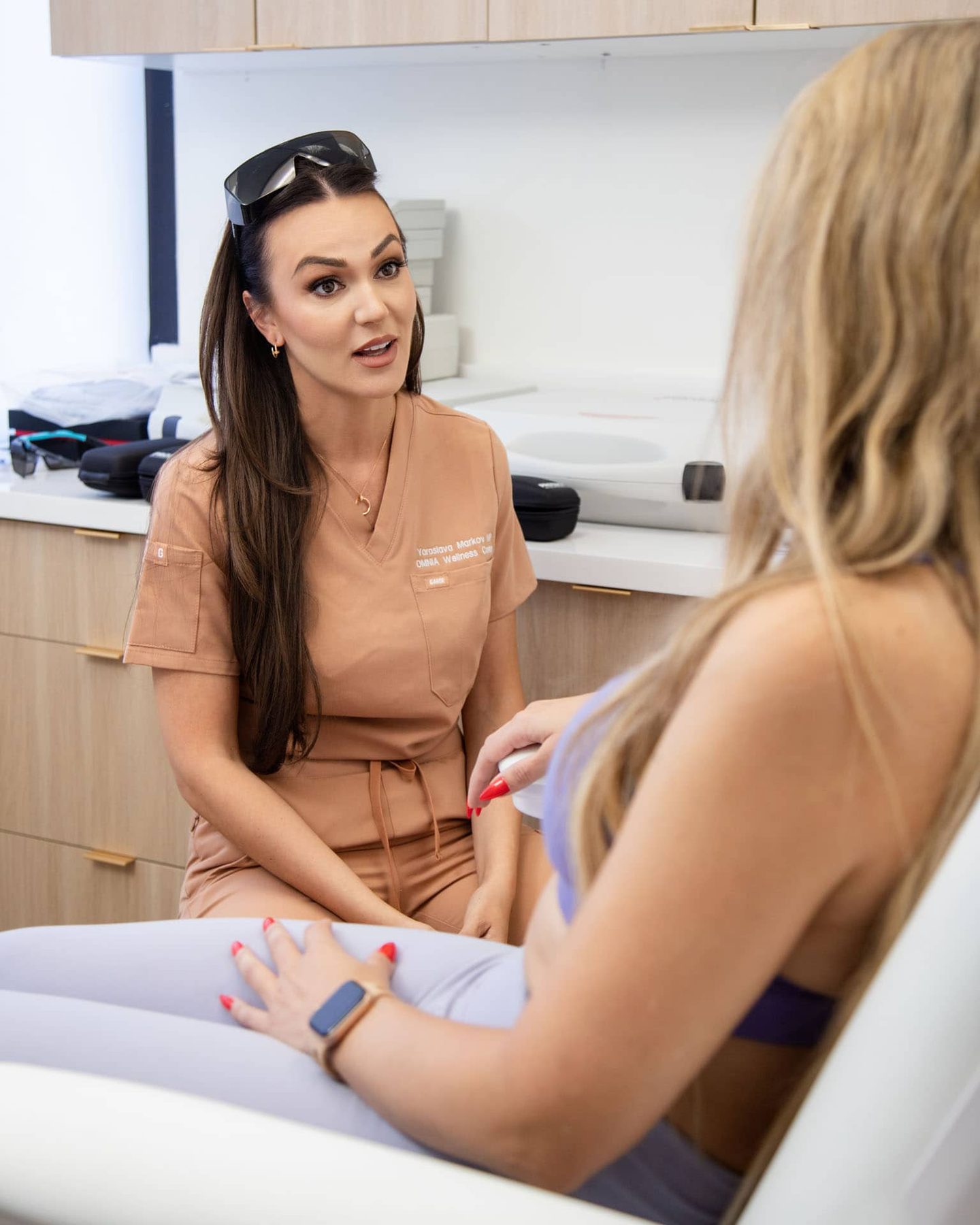
Ask how often the practice performs the Fotona 4D Laser Facial (TimeWalker), whether photos shown are their own patients, what settings range they use for your skin type, and what recovery realistically looks like for your case. Good consultations usually sound measured, not theatrical. If everything is described as painless, effortless, and suitable for everyone, caution is warranted.
A strong provider will also discuss combination planning honestly. Sometimes the best version of this treatment is paired with other modalities over time, not stacked all at once. That may include skincare, injectables, vascular laser, pigment-specific laser, or collagen-stimulating treatments depending on the patient. Long-term rejuvenation tends to be strategic rather than impulsive.
The practical bottom line
The Fotona 4D Laser Facial (TimeWalker) sits in a very useful category of aesthetic medicine. It can deliver more than a glow, less than a surgical overhaul, and often exactly what many patients mean when they ask to look fresher without looking altered. Its real value is not hype. It is the layered way it addresses support, texture, tone, and refinement in a single treatment concept.
For the right patient, those layers add up to something noticeable and durable. Skin looks smoother, more resilient, and better held. Fine lines can soften. Pores can appear tighter. The mouth area can look less collapsed. None of that is magic, and none of it replaces careful assessment. But when the treatment is chosen well, performed well, and maintained sensibly, it earns its place as one of the more versatile options in non-surgical facial rejuvenation.
If your goals are skin quality, subtle tightening, and natural-looking revitalization, it is a treatment worth discussing in detail, not because it promises everything, but because it does a specific set of things remarkably well.
OMNIA Wellness Center
Address: 16430 Ventura Blvd Ste 207, Encino, CA 91436
Phone: (818) 386-8511
FAQ About Fotona 4D Laser Facial (TimeWalker)
What are the benefits of Fotona laser treatment?
OMNIA offers this treatment for concerns such as uneven texture, dull tone, and fine lines. Results and the number of sessions vary, so discuss your goals with a provider.
Is Fotona laser safe?
A qualified provider should review your skin, medical history, medications, and recent sun exposure to determine whether the treatment is appropriate. Ask about possible irritation, pigment changes, and aftercare before booking.
How much does a Fotona 4D facelift cost?
Price depends on the treatment plan and number of visits. Ask OMNIA for an itemized estimate during your consultation.